
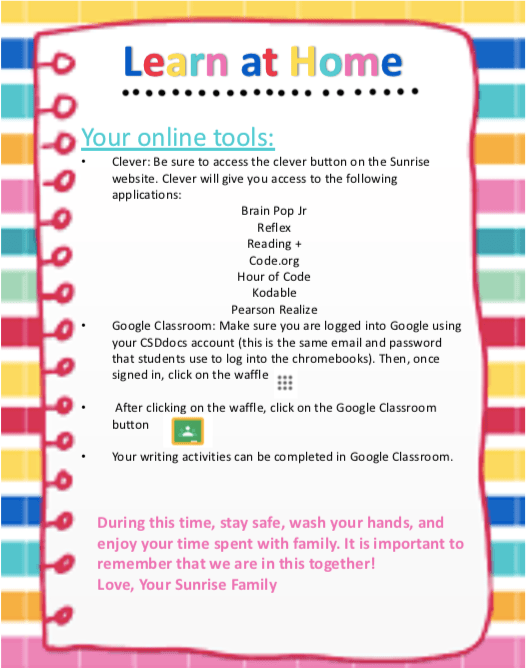
Remember to watch these videos so you know how to access your assignments for the following weeks!
Please start with Video 1 and then move on to Video 2.
Video 1: https://drive.google.com/file/d/10p0kJeGMQw9TC9hcVjq_J2rnnUj2EYCa/view?usp=sharing
Video 2: https://drive.google.com/file/d/1m5DLL4L4KB_oZY8Chef5gqYQ_DwtNkOz/view?usp=sharing
Author: Jessica Miller
Checking your student’s assignments at home!
Additional Online Resources
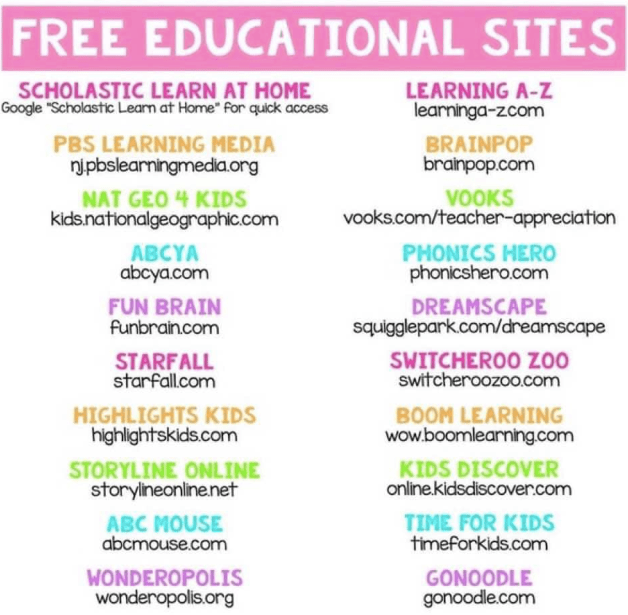
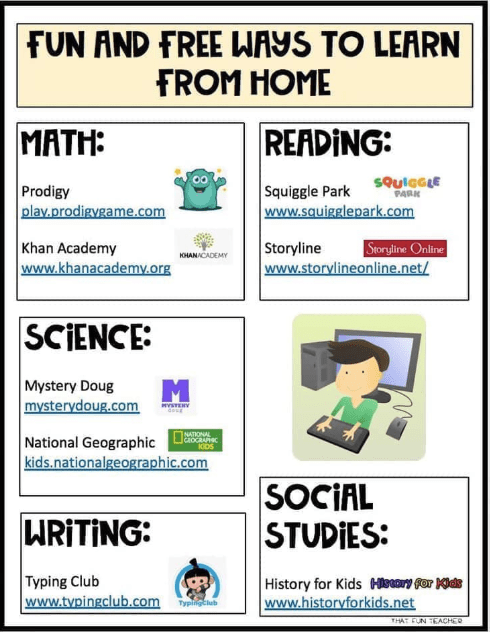
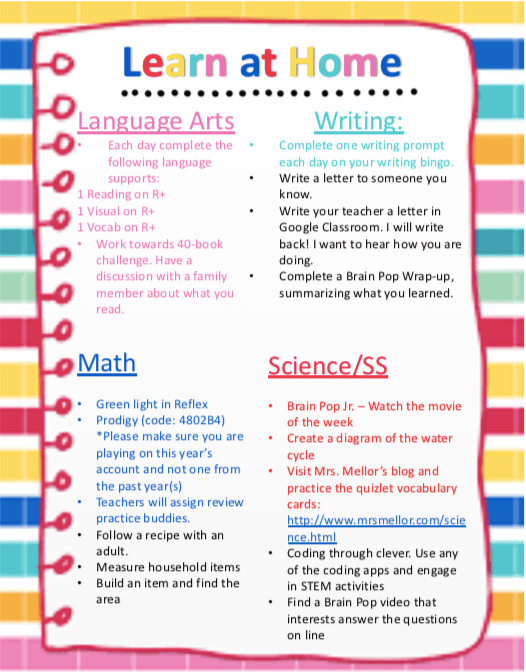
School Closures Learning Menu
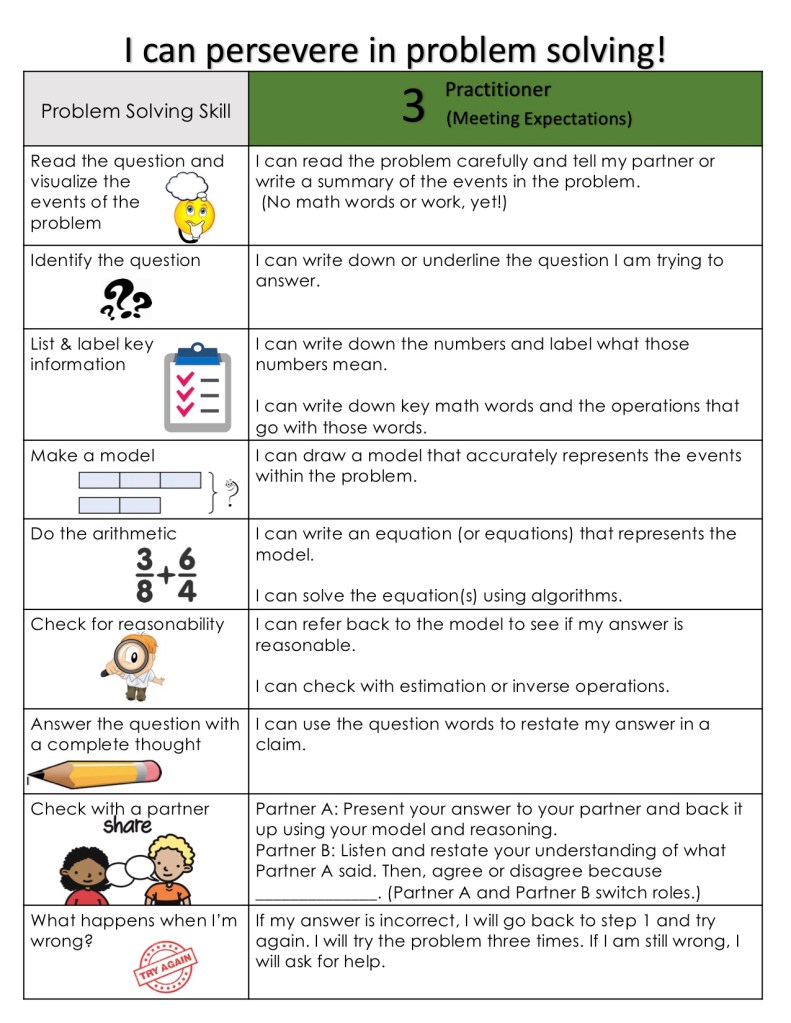
Problem Solving Routine – the process for persevering through difficult word problems.
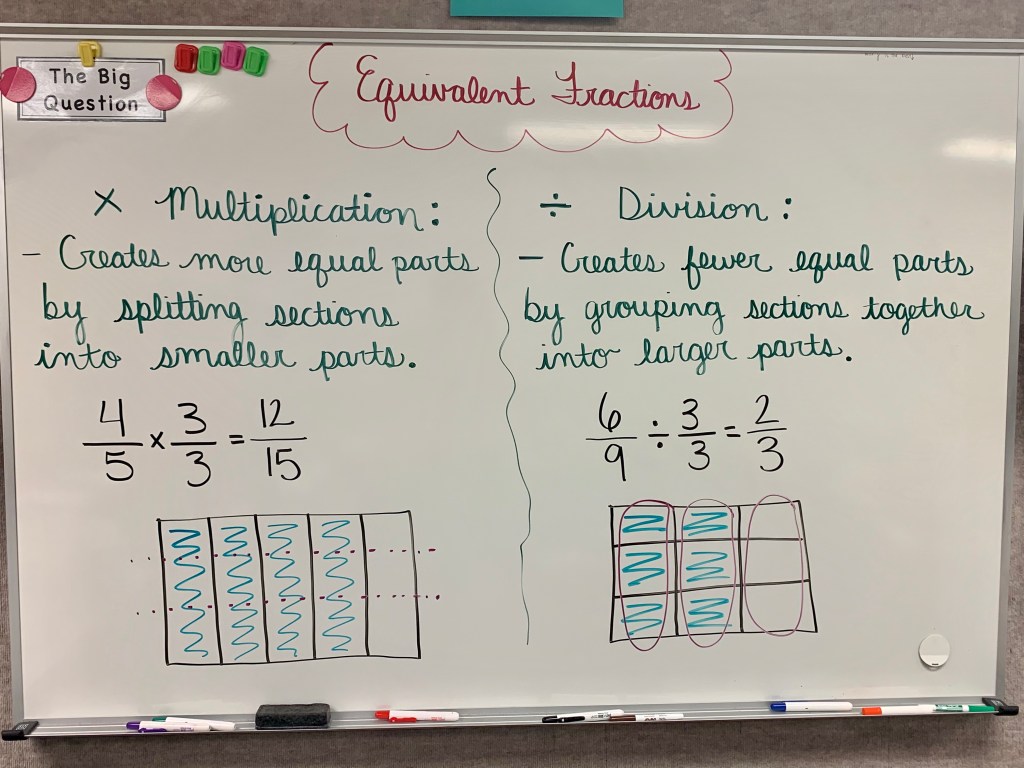
Creating Equivalent Fractions through Multiplication and Division
Fractions
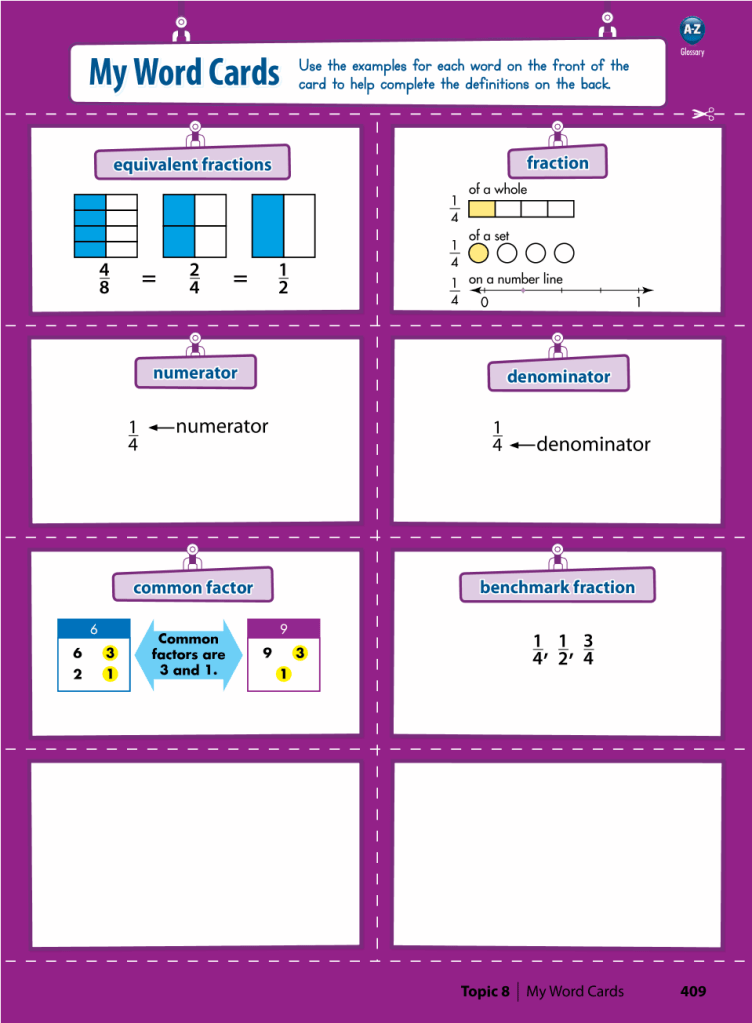
Students have begun working to develop their understanding of fractions. This concept is a combination of many mathematical ideas and strategies including partitioning shapes, segmenting number lines, identifying common factors and multiples, and using correct vocabulary. Fractions are a big rock in fourth grade and it is essential that all students have a solid understanding of fractions to be successful in later years. Please make sure that your child has his or her practice buddy completed each day, as the practice and exposure is extremely important to mastering this concept. Students are given time to work on their practice buddies in class, but some may struggle to stay on task or need additional time, making it that much more important that they complete the assigned practice. If you do not have access to technology or internet at home, students have the option of completing the homework page for the lesson in their math book. However, the practice buddies give automatic feedback and question help, so that is the preferred method of practice. The practice buddies can be accessed through the Clever log in, by selecting the Pearson Realize button. I have also found a really great math tools website, where students can create and compare fractions. Students that have a difficult time drawing fractions and segmenting the shapes could really benefit from this tool. https://apps.mathlearningcenter.org/fractions/
Informational Writing Success Criteria
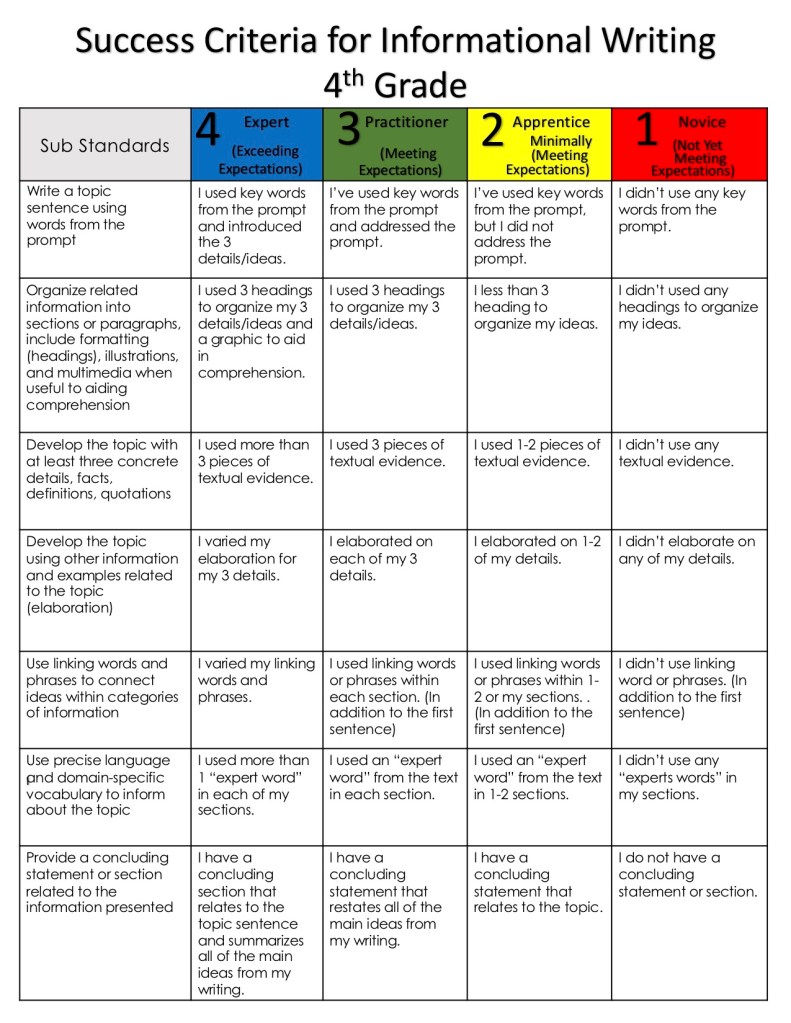
Writing is a HUGE part of the 4th grade! Many new concepts and textual features are introduced this year: elaboration, domain-specific vocabulary, headings and other organizational features, and more! Here is the success criteria that the students will be using to self- and peer-assess the informational writing that we do in class.
Writing – Using the Paragraph Perfection Model
This week, we really focused on writing! We worked hard to follow the paragraph perfection model, which uses color-coding as a checklist to ensure that students begin with a topic/claim, use evidence from the text, then elaborate on that idea and then conclude by summarizing what they had written about.
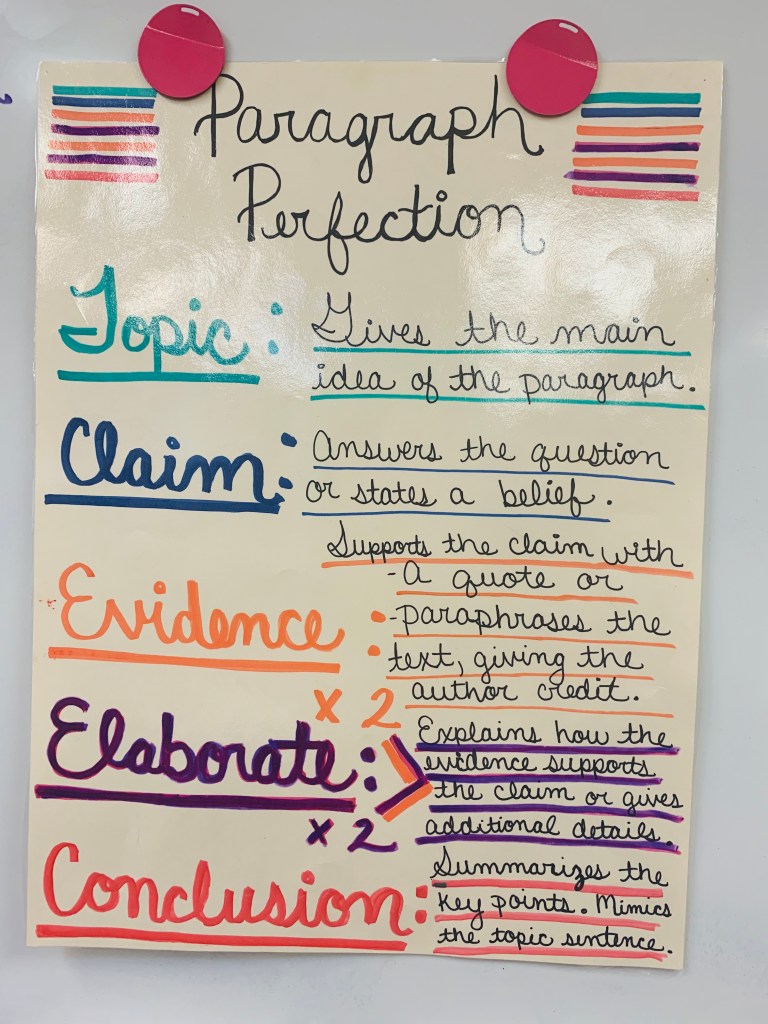
This is the poster in the classroom that helps students remember the paragraph format and color code their writing.
We began by reading three different articles. Students annotated the text as they read, paying special attention to things that may make someone want to visit. Then we came up with an opinion as a class. Based on the information provided from the articles, we decided we would most want to visit the Caribbean. After that, we fill out our 4-square prewriting template, listing three reasons why we wanted to go there and evidence that supported those reasons. Once our prewriting was complete, we put those ideas into paragraphs. We did the first two paragraphs as a class and then students worked with a partner to complete the final reason paragraph. I was so impressed with how they did!
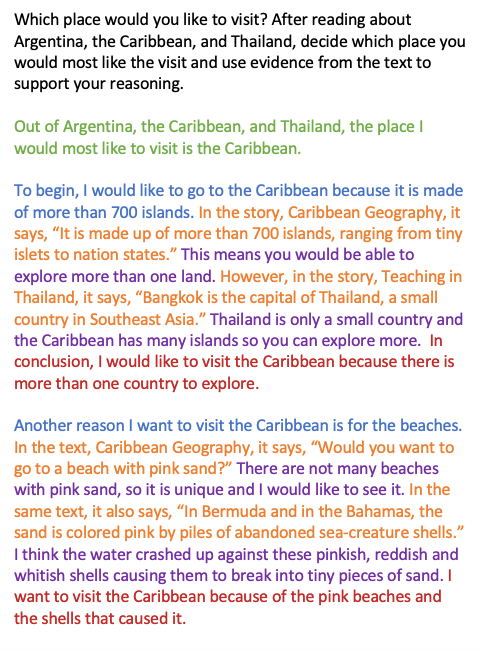
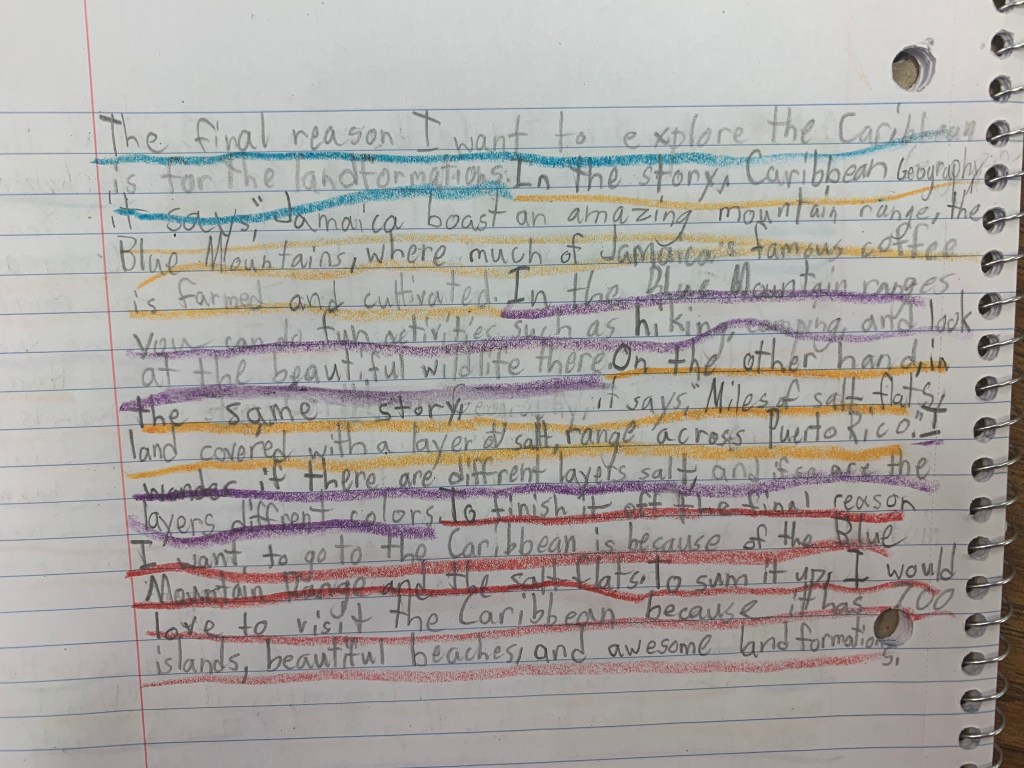
We will be completing our first district writing test next week and I’m looking forward to seeing how each student uses the skills we have been working on.
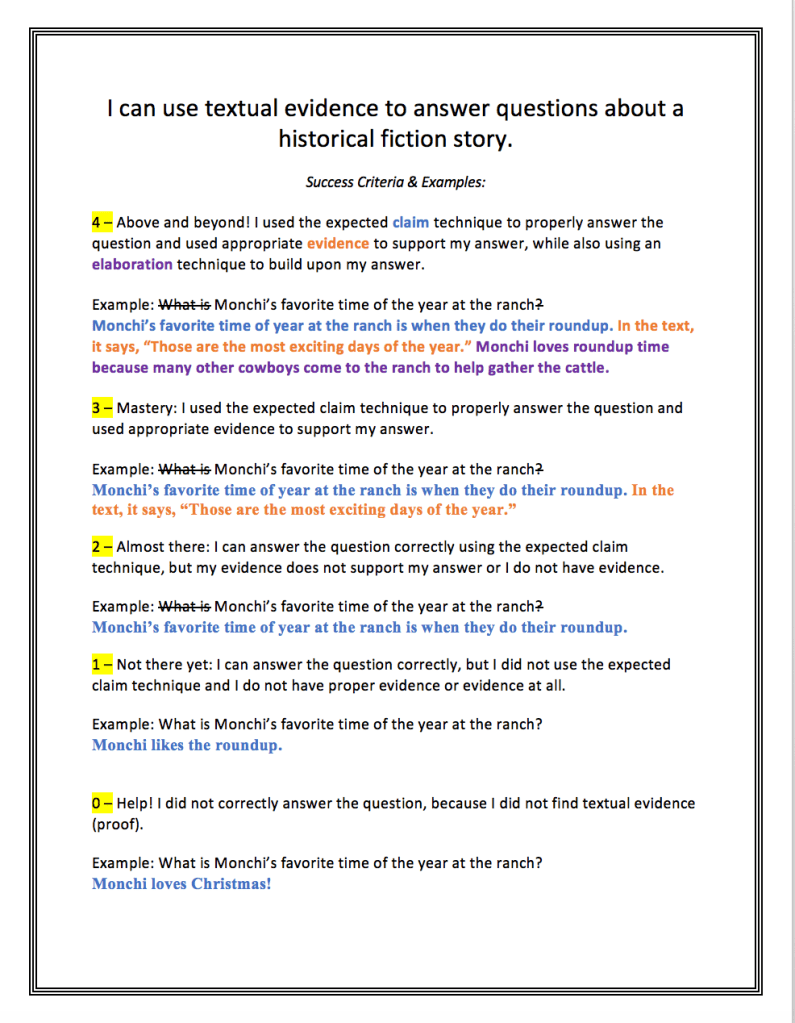
Success Criteria for Answering Questions
Our class is currently working on developing student ownership. This means students will become more confident in their ability to assess themselves and each other. This week we are working on understanding what it looks like to be successful when students answer questions about a historical fiction story. Below, you will find the success criteria and examples for each level of mastery.
 Miss J